Ten Practical Uses of Adjustable Power Supplies in Electronic Production
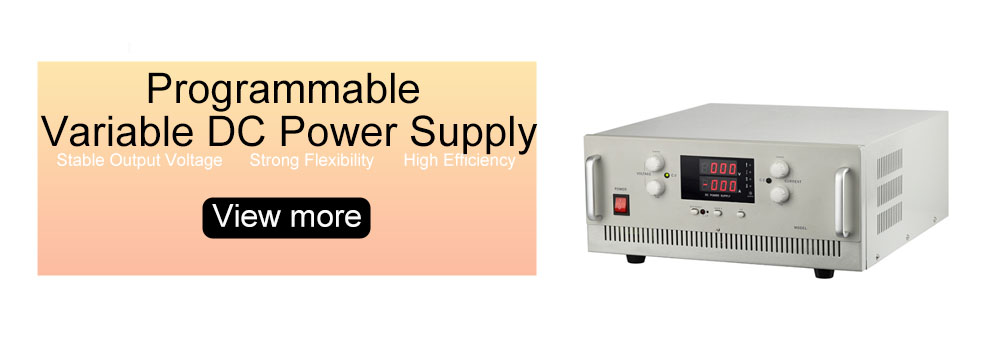
Variable DC Power Supply
Nov 28,2025
This article shares ten practical uses of adjustable DC power supplies in electronic production, covering basic, advanced and creative scenarios, combined with troubleshooting skills and IDEALPLUSING product features to help efficiently solve power supply-related issues.
Adjustable power supplies are not just precision tools in laboratories, but also "versatile assistants" for electronic production enthusiasts. They can flexibly adjust voltage and current to meet various scenario needs, helping you solve power supply problems encountered in production. Below are ten practical and niche uses, combined with troubleshooting skills, to maximize the value of adjustable power supplies.
Core Basic Uses (3 Items)
1.Testing Rated Parameters of Unknown Components: For unmarked LEDs and small motors, slowly increase the voltage from zero with an adjustable DC power supply, observe the component's working status, and record the voltage and current during normal operation to avoid burning the component due to blind power supply.
2.Temporary Power Supply for Circuit Board Debugging: In electronic production, adjustable DC power supplies can replace finished power modules to provide stable temporary power for circuit boards, facilitating real-time voltage adjustment and troubleshooting power supply-related circuit faults.
3.Simulating Battery Voltage Fluctuations: Use an adjustable DC power supply to simulate voltage attenuation of aged batteries, test the device's working performance under low voltage and undervoltage conditions, and avoid power failure risks in actual use in advance.
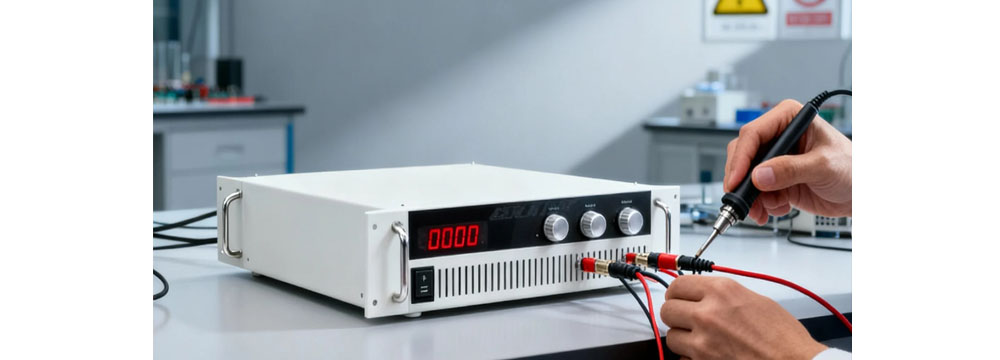
1.Low-Current Slow Charging for Storage Batteries: For nickel-hydrogen and lithium batteries (battery type must be confirmed), use an adjustable DC power supply to set a low current (usually 1/10 of the battery capacity) for slow charging to avoid battery damage from fast charging, and monitor the voltage throughout the charging process.
2.Actual Capacity Measurement of Power Banks: Cooperate with an electronic load, fully charge the power bank with an adjustable DC power supply, then discharge it through the load, and accurately calculate the actual capacity of the power bank by combining the data recorded by the adjustable power supply to expose false capacity claims.
3.Aging Test of Sensitive Components: Adjust the voltage of the adjustable DC power supply to the upper limit of the component's rated value, supply power for a long time, observe the component's stability, screen out inferior components in advance, and improve the reliability of finished products.
4.Circuit Power Consumption Optimization Test: Monitor the current consumption of the circuit under different working states through an adjustable DC power supply, optimize the circuit design accordingly to reduce power consumption, which is especially suitable for portable device production.
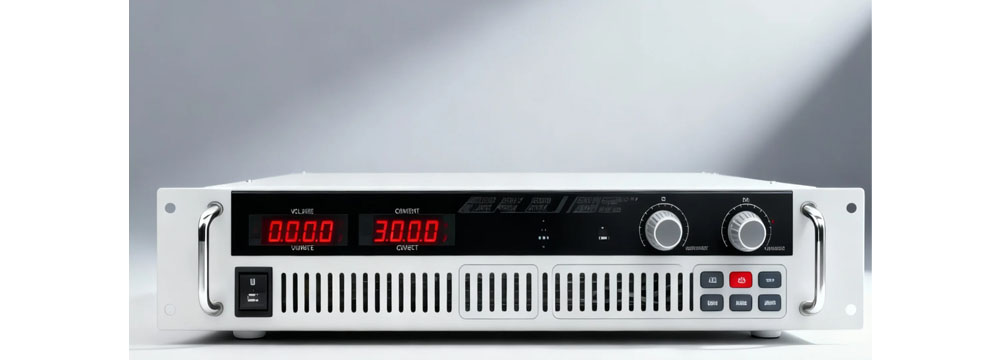
1.Repairing Moist Electronic Devices: Some moisture-damaged devices cannot start due to power supply module failures. Gradually increase the voltage with an adjustable DC power supply to slowly activate the device, and troubleshoot short-circuit problems to avoid secondary damage.
2.Custom LED Strip Brightness: Connect the adjustable DC power supply to the LED strip, precisely control the brightness by adjusting the voltage, without the need to purchase additional dimming modules, adapting to lighting needs in different scenarios.
3.Electronic Production Teaching Practice: Beginners can intuitively feel the impact of voltage and current changes on components through adjustable DC power supplies, understand basic principles such as Ohm's Law, and improve hands-on and problem-solving abilities.
Usage Tips: Choosing an adjustable DC power supply with precise fine-tuning is more worry-free. For example, the adjustable DC power supplies from IDEALPLUSING have high voltage adjustment accuracy and overcurrent protection function, which can reduce operational errors. If the power supply protection is triggered during use, first check if the load is short-circuited and if the current setting is too small, then troubleshoot the problem step by step to ensure safe use.