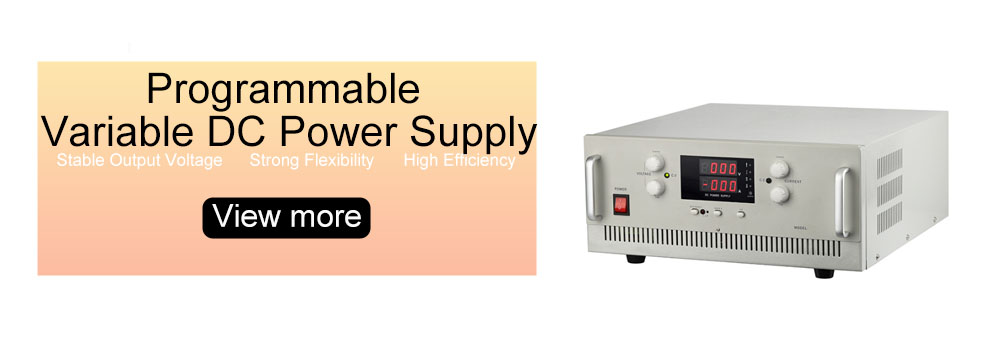
I. Variable DC Power supply Purchasing Guide: Don't Just Focus on Voltage and Current, These 3 Points Are More Crucial
1. Hidden Compatibility: Prioritize "Wide Frequency Response" Models
Most guides only mention voltage range, neglecting high-frequency circuit compatibility. If used for RF modules or sensor testing, choose an adjustable power supply with a frequency response of ≥1MHz to avoid signal distortion caused by low-frequency response models. Niche brands likeIDEALPLUSING's entry-level models, although less well-known, meet the frequency response parameters and offer far better value than popular models.
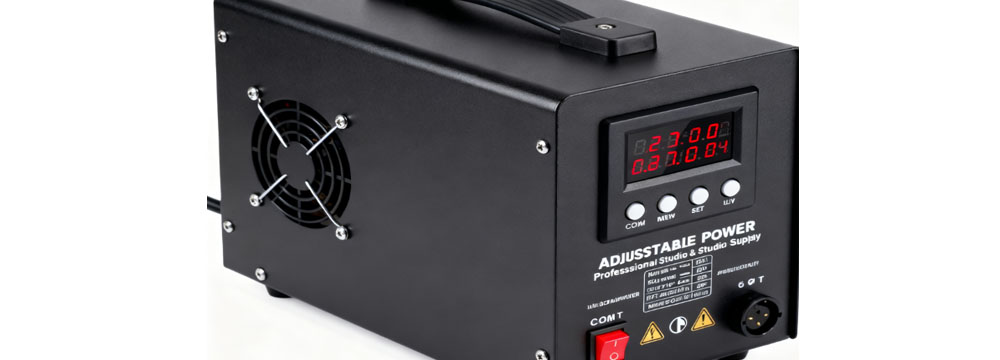
2. Terminal Material: Copper Alloy > Pure Copper
Variable DC Power supply,Most people overlook the terminal material. Pure copper is prone to oxidation, leading to poor contact, while copper alloys (such as beryllium copper) have strong corrosion resistance, resulting in voltage loss ≤0.1% during long-term use. When purchasing, check the "terminal material" specification on the product details page to avoid falling into the trap of cheap iron-plated copper.
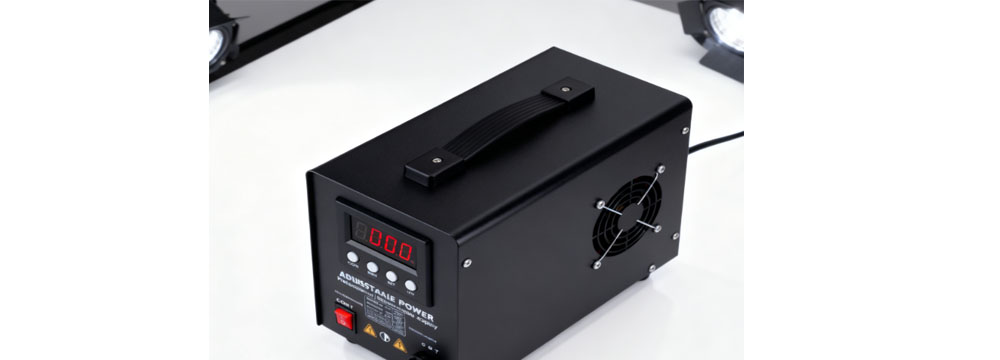
3. Low Ripple ≠ No Ripple: Choose "Dual Filtering" for Sensitive Applications
When purchasing an adjustable power supply,For applications such as LED testing and microcontroller power supply, a ripple of ≤5mVp-p is required, and models with "input + output dual filtering" should be prioritized, as they are more stable than single-filtering models. Niche solution: Some domestic models support external filtering modules, which is more cost-effective than buying a high-end machine directly.
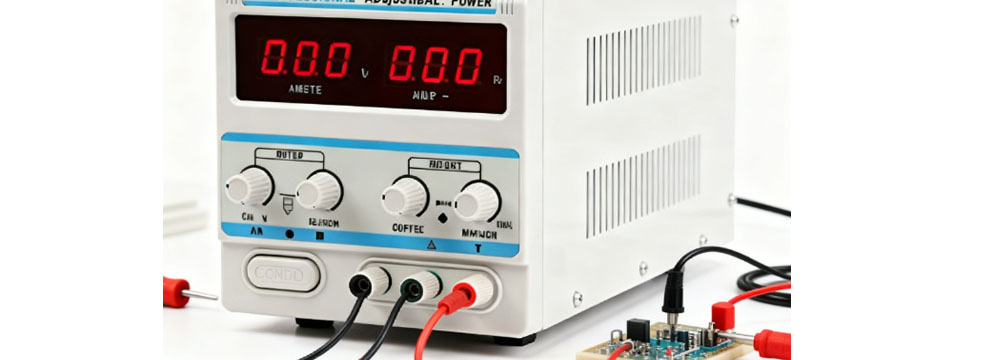
II. Usage Precautions: 3 Unconventional Operations to Extend Lifespan + Ensure Safety
1. "Zeroing" Before Powering On: Adjust Current First, Then Voltage
When using an adjustable power supply,Popular tutorials only mention "start with low voltage," but don't specify the current setting order. Correct procedure: Before powering on, turn the current knob to the minimum, adjust the voltage to 1/3 of the target value, connect the device, and then gradually increase the current to avoid instantaneous overload and component burnout.
2. Long-Term Idleness: "Activate" Once a Month
Variable DC Power supply,If left idle for more than one month, it needs to be powered on for 30 minutes each month, with the voltage adjusted to 50% of the rated value, to keep the internal capacitors active; otherwise, it may cause a no-output fault upon startup.
3. Special Environments: Humidity > 60% requires moisture-proof measures.
When used in laboratories or basements, if the environmental humidity exceeds the standard, silica gel desiccant should be placed around the power supply to prevent internal circuit boards from getting damp and short-circuiting. A less common tip: placing a piece of moisture-proof foam under the power supply is inexpensive but provides effective protection.