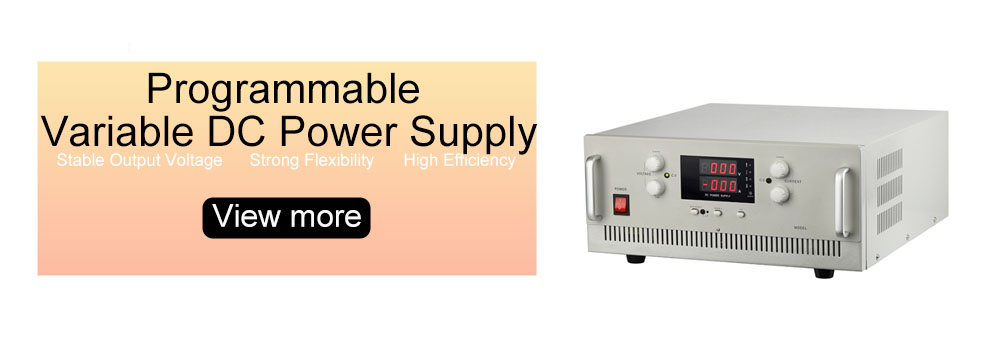
When purchasing an adjustable power supply, many people are misled by "high power and high precision" parameter labels. However, after receiving the product, they find that the adjustable power supply has poor load capacity and unstable output—actually falling into a false labeling trap. In fact, without professional testing equipment, you can expose the true face of shoddy adjustable power supplies with 3 niche practical methods, avoiding rework in experiments or projects due to power supply issues.
1. Rated Load Equivalent Test Method: Directly Measure True Output Capacity
The core problem of falsely labeled adjustable power supplies is that the actual power is much lower than the marked value, which can be directly verified with an equivalent load. First, calculate the required power resistor based on the rated voltage and current marked on the adjustable power supply (e.g., a 30V/5A adjustable power supply requires a 6Ω high-power resistor). Connect the resistor to the output terminal of the adjustable power supply and adjust the power supply to the rated parameters. At this time, use a multimeter to measure the actual output voltage and current, and calculate the actual power—if the deviation exceeds 5% and the voltage is significantly lower than the set value, it indicates that the adjustable power supply has false power labeling. For example, the deviation between the actual output and the marked value of IDEALPLUSING's adjustable power supplies in such tests can usually be controlled within 3%, demonstrating remarkable stability. Troubleshooting point: If the adjustable power supply directly triggers protection or automatically shuts down after connecting the resistor, it is likely that the heat dissipation and power module are falsely labeled.
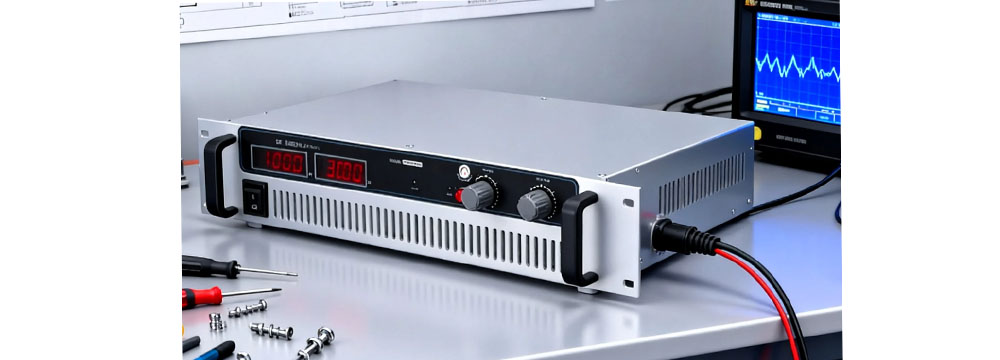
2. Dynamic Voltage Drop Tracking Method: Identify Hidden Dangers of False Internal Resistance Labeling
High-quality adjustable power supplies have extremely low internal resistance, resulting in slight voltage fluctuations when the load changes. In contrast, falsely labeled products have large internal resistance and are prone to dynamic voltage drops. During the test, first adjust the adjustable power supply to the commonly used working voltage, then gradually increase the load in three stages (30%, 60%, 100% of the rated load), and record the voltage value after stabilizing for 3 minutes at each stage. A qualified adjustable power supply should have a voltage fluctuation of no more than 0.3V in each stage. If the fluctuation exceeds 0.5V and the voltage drops more significantly as the load increases, it indicates that the internal resistance of the adjustable power supply is falsely labeled, and the load stability is extremely poor. Troubleshooting note: After eliminating loose wiring, if the voltage drop is still severe, the adjustable power supply is likely to cause damage to precision components during subsequent use.
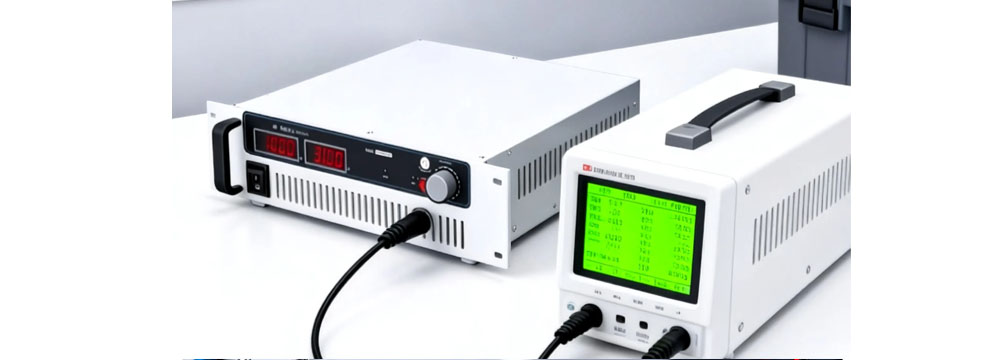
3. Long-Term Load Temperature Rise Test
Expose Shortcomings in Heat Dissipation and PowerShoddy adjustable power supplies often cut corners by reducing heat dissipation modules and power components, leading to derating due to overheating after long-term loading. During the test, operate the adjustable power supply at 100% rated load continuously for 1 hour, and record the output power and the surface temperature of the power supply every 15 minutes. If the power drops by more than 10% within half an hour, or the surface temperature exceeds 70℃ and continues to rise, or even triggers overheating protection, it indicates that both the power and heat dissipation design of the adjustable power supply are falsely labeled. Troubleshooting tip: If the noise of the adjustable power supply suddenly increases during operation, accompanied by a sharp drop in power, it is likely that the internal components are overloaded—such adjustable power supplies should never be used for long-term experiments.
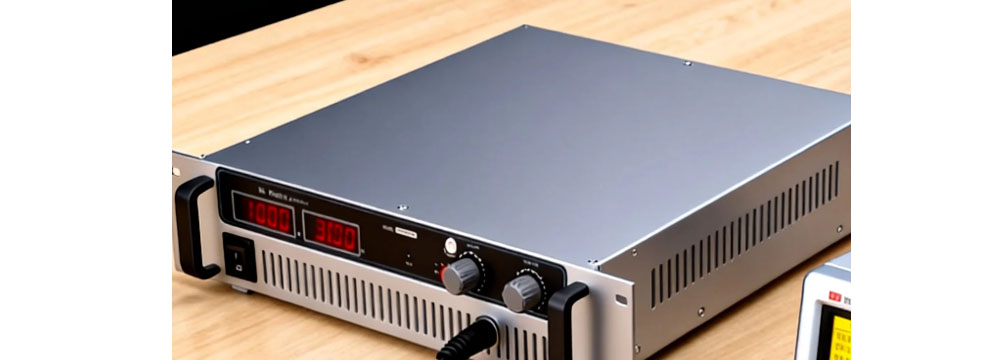
In fact, avoiding the false labeling trap of adjustable power supplies does not lie in obsessing over parameter tables, but in practical testing and verification. The above three methods do not require complex tools and can be operated by ordinary people at home. High-quality adjustable power supplies like IDEALPLUSING can maintain stable output in long-term load and dynamic load tests, which is also the core advantage that niche reliable brands have over shoddy products. Spending half an hour on actual testing when selecting an adjustable power supply can save countless troubles later.