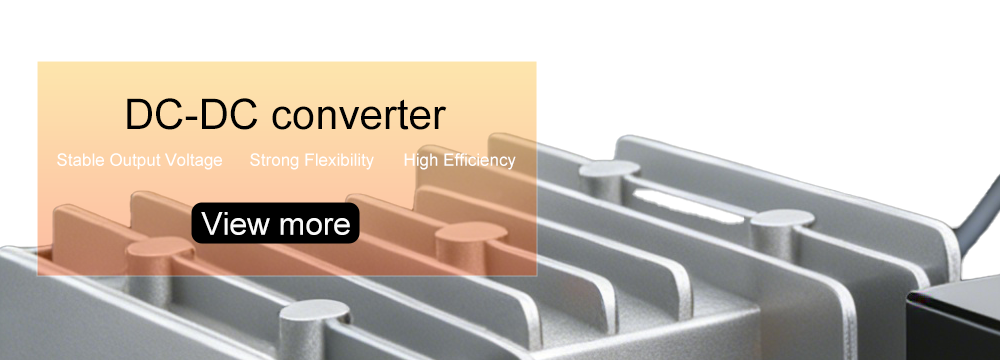
The core charm of DC-DC converters lies primarily in their flexible and adaptable topological structure design. Based on differences in topology, these converters have evolved into various types, including boost, buck, and buck-boost converters, precisely matching the voltage conversion needs of different scenarios. Boost converters specialize in converting low voltage to high voltage, and are indispensable in solar photovoltaic power generation systems – they can boost the low-voltage DC power generated by solar panels to a high-voltage level suitable for practical applications. Buck-boost converters do two things at once. They are really good for situations where the voltage coming in changes a lot like when you're using batteries to power something. This shows that buck-boost converters are very adaptable and flexible with big changes in input voltage from things, like battery-powered systems. Buck-boost converters can handle these changes making them very useful.
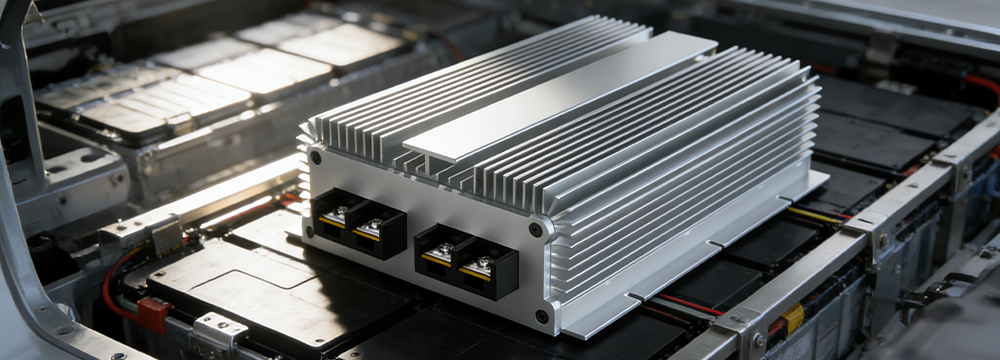
The thing about technology is that it just keeps getting better and better. This means that DC-DC converters are getting smaller and smaller and they are able to do things at the same time. They are also becoming very precise which is a plus, for DC-DC converters. All of this makes DC-DC converters very appealing.Today, modular design has become standard for many DC-DC converters, with their size constantly shrinking, even allowing for direct integration into chips, laying the foundation for the development of thinner and lighter electronic devices. At the same time, with the help of advanced control chips and algorithms, the output voltage accuracy of converters is continuously improving, and the ripple coefficient is becoming smaller. For precision electronic components such as chips and sensors that require extremely high power supply quality, this stable power supply support is a direct manifestation of the core value of DC-DC converters.
The ubiquitous application scenarios further amplify the core charm of DC-DC converters. In the consumer electronics field, they provide suitable voltage for components such as processors and displays in mobile phones and computers; in industrial settings, they are the core power supply components of industrial automation equipment and robot control systems; in the new energy field, new energy vehicle electronic control systems, charging piles, and energy storage equipment all rely on their support; even in the demanding aerospace field, they can provide stable and reliable voltage conversion services for various electronic devices in satellites and spacecraft. It can be said that it is this widespread and critical application that makes DC-DC converters one of the core basic components supporting the development of the modern electronics industry.
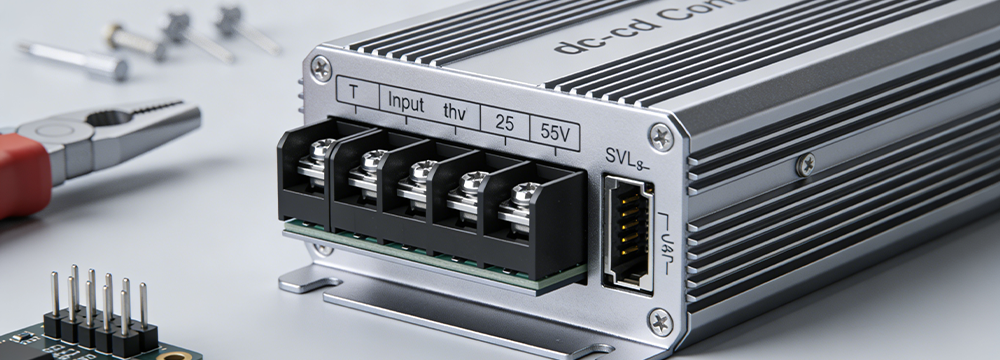
Looking ahead, the charm of DC-DC converters will continue to evolve. With the continuous advancement of new energy technologies, artificial intelligence, and the Internet of Things, the industry's requirements for their performance will further increase. Higher conversion efficiency, smaller size, stronger anti-interference capabilities, and more intelligent control methods will be the main development directions. Driven by technological innovation, DC-DC converters will continuously break through performance limits, empowering more emerging electronic applications and driving the electronics industry towards a more efficient, energy-saving, and intelligent future. Their core value and appeal will be further unleashed in this process.
Share our interesting knowledge and stories on social media